Ready to Build Your Perfect Hiking Setup?

    Download the free Hiking Gear Selection Guide and take the guesswork out of gearing up. Stop wasting money on gear you don't need and start investing where it truly counts.

    By downloading this resource, you'll join our weekly hiking newsletter. We never spam. Unsubscribe anytime.

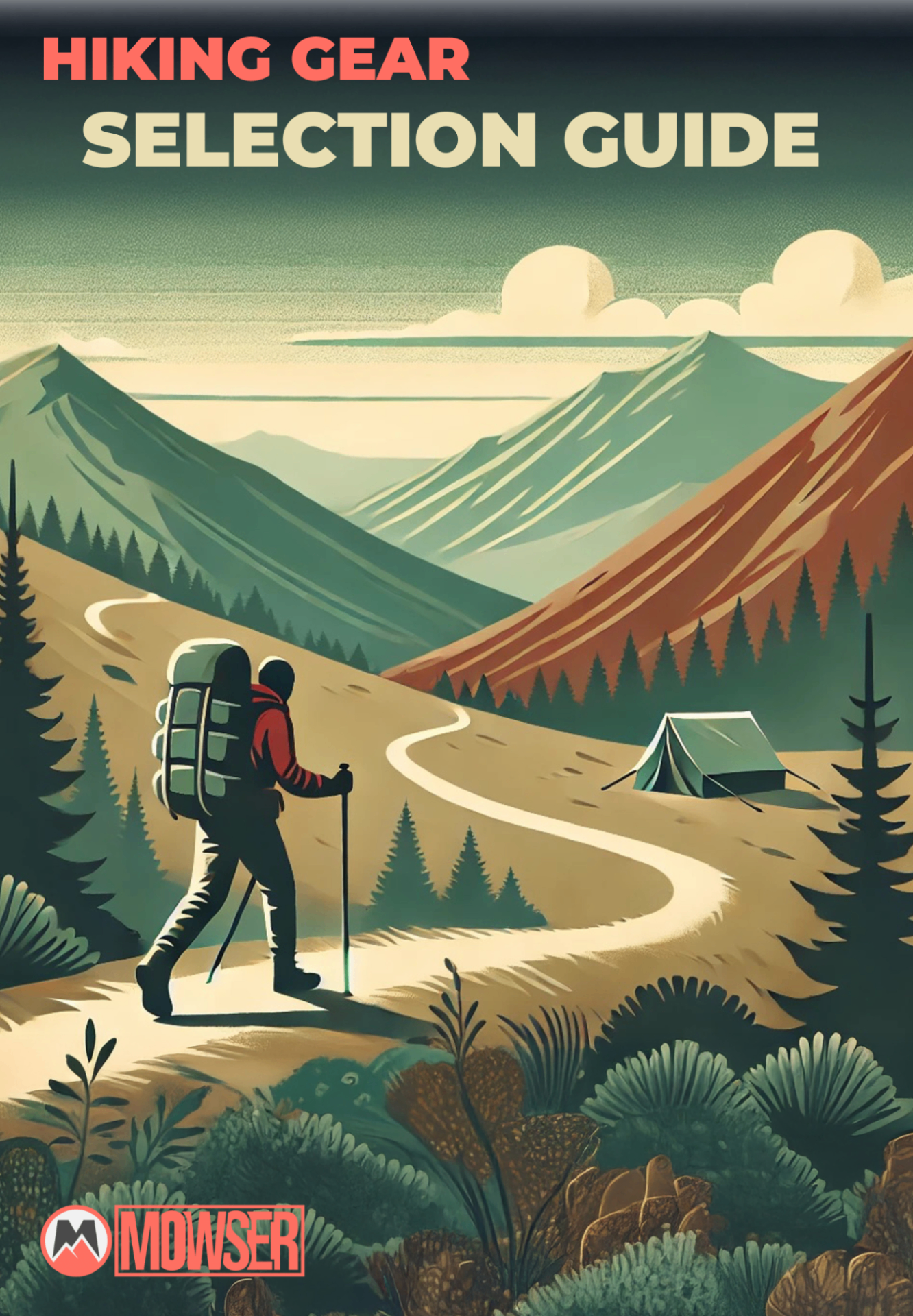
    The Hiking Gear Selection Guide cover

    What's Inside the Guide

    The Spend vs. Save Framework

    A step-by-step approach to determine where to invest in high-end gear and where to go budget.

    Gear Category Breakdowns

    Key categories, boots, tents, packs, cooking gear, with specific premium picks and budget-friendly alternatives.

    Where to Find Deals

    Pro tips on scoring quality gear for less, including second-hand markets, sales, and rental options.

    How to Choose Each Piece of Gear

    The four decisions that carry the most weight, literally. Get these right and the rest of your kit falls into place.

    Choosing a pack

    Fit beats features every time. A 50 to 65 litre pack covers most multi-day walks in Australia, and the torso length matters far more than the badge on the front.

    • Measure your torso, then buy the size that matches it, not the size that looks right.
    • Load it with 12 to 15 kg in the shop and walk around for ten minutes before deciding.
    • Most of the weight should sit on your hips, with the shoulder straps only steadying the load.
    • Worth spending on: a pack that fits. Worth saving on: rain covers, extra pouches and gadgets.

    Choosing a shelter

    In Tasmania and most of alpine Australia you are choosing a shelter for wind and sideways rain, not for a still summer night.

    • Look for a fly that reaches close to the ground and a pitch you can put up in wind, on your own.
    • Freestanding tents suit rocky platforms. Trekking-pole shelters save weight if you already carry poles.
    • Two people in a two-person tent is tight. If you walk as a pair often, size up.
    • Worth spending on: fabric and pole quality. Worth saving on: footprints, which a cut sheet of builder's plastic replaces.

    Choosing a sleep system

    Your mat and bag work as one system. Cold ground steals more warmth than cold air, so the mat is not the place to cut corners.

    • Match the bag's comfort rating to the coldest night you actually expect, then add a small margin.
    • For alpine trips, look for a mat with an R-value of around 4 or higher.
    • Down packs smaller and lasts longer. Synthetic handles damp conditions better and costs less.
    • Worth spending on: the mat and a quality down bag. Worth saving on: pillows, a stuff sack of clothes does the job.

    Choosing your layers

    Layering is a system with three jobs: move sweat away, hold warmth, and keep weather out. Buy for the job, not the brand.

    • Base layer: merino or a synthetic that dries fast. Never cotton.
    • Mid layer: fleece or a light insulated jacket you can walk in without overheating.
    • Shell: a proper waterproof jacket with a hood that fits over a beanie, plus overtrousers for exposed walking.
    • Worth spending on: the shell and base layers. Worth saving on: the mid layer, where a cheap fleece performs.

    Written by Mowser, 35+ years of multi-day hiking experience, Certificate III in Tourism Guiding, and former senior guide at Cradle Mountain Huts.